


 Buenos Aires Herald
Warning: this story includes photos and descriptions of the Cromañón fire that some readers may find distressing
Rock band Callejeros took to the stage. The excited audience waved flags, arms in the air, ready to enjoy the show. Frontman Patricio Fontanet asked the audience, “Are you going to behave?” Then, they started playing. It was the first and only song of the night. Seconds later, everything went dark.
On December 30, 2004, a flare started a fire at the República del Cromañón (Cro-magnon Republic) rock club in the Buenos Aires district of Once. It claimed the lives of 194 people and left more than 1,400 injured, making it the deadliest event in world rock history.
The disaster led to 18 people being jailed, a sea change in safety culture in Argentina’s nightlife, and for the survivors and their families — who describe the events as a massacre — scars that would last a lifetime.
In the midst of a convulsive social scene after the 2001 crisis, young people found in music a way to protest, to belong and to enjoy life. The street was their only place of escape. “There was no pleasure in school, there was a lack of belief in politics, all families were falling apart,” said journalist and writer Walter Lezcano.
On the twentieth anniversary of the tragedy, Eterna Noche, a new documentary by the Herald’s sister channel C5N, explores how the events unfolded, and how survivors are still fighting for justice.
That night exposed the corruption and negligence that was prevalent among the Buenos Aires City government authorities at the time. “The people who helped the kids get out [of the nightclub] were the survivors themselves, rather than the state,” said survivor Sebastián Albeiro.
He identified corruption in the police and fire brigade and funding cuts to the competent authorities as some of the ways in which the state is responsible.
In November 2003, while Aníbal Ibarra was mayor of Buenos Aires City government, 300 inspectors were placed on leave without ever being investigated. Only 45 were hired to replace them.
In a 2005 interview, Ibarra said that the size of the Cromañón venue exceeded the dimensions approved by the authorities. A year earlier, he added, he had warned of irregularities and fired all the inspectors. “The state was giving a show of everything that it was not. It’s the mother who has to give care and shelter, but was showing constant abandonment,” survivor Celeste Oyola remarked.
A smuggled flare
Flares at concerts were common at the time. On the night of December 30, staff were frisking concert-goers at the doors of Cromañón to stop them from bringing any into the gig.
“We went through the search with our shoes in our hands,” said Sebastián. And yet, a flare made its way inside.
Omar Chabán, the owner of Cromañón, was on the premises, scolding the young audience members he caught lighting the flares. “If you try to force something on a teenager by shouting and swearing, nothing good will come of it,” explained Celeste. In response, the audience lit more flares. Then, the band took to the stage.
“When I realized the band had stopped playing, I was surprised, and thought: ‘Oh, that’s a major screwup,'” was Alberio’s first reaction when the fire started.
Oyola recalls the first few minutes of her escape. “Since the door wouldn’t open, people started to crowd together and I didn’t fall, but I sank into the crowd,” she said. “And then the pile of people started to form, one on top of the other.”
Those who managed to get out tried to go back inside to rescue those who were still locked in. “I remember a kid who said: ‘Of course I’m going in! My sister’s in there!'” said Eduardo Salinas, who escaped from the club that night. Such desperate, hopeless screams could be heard over and over at the entrance.
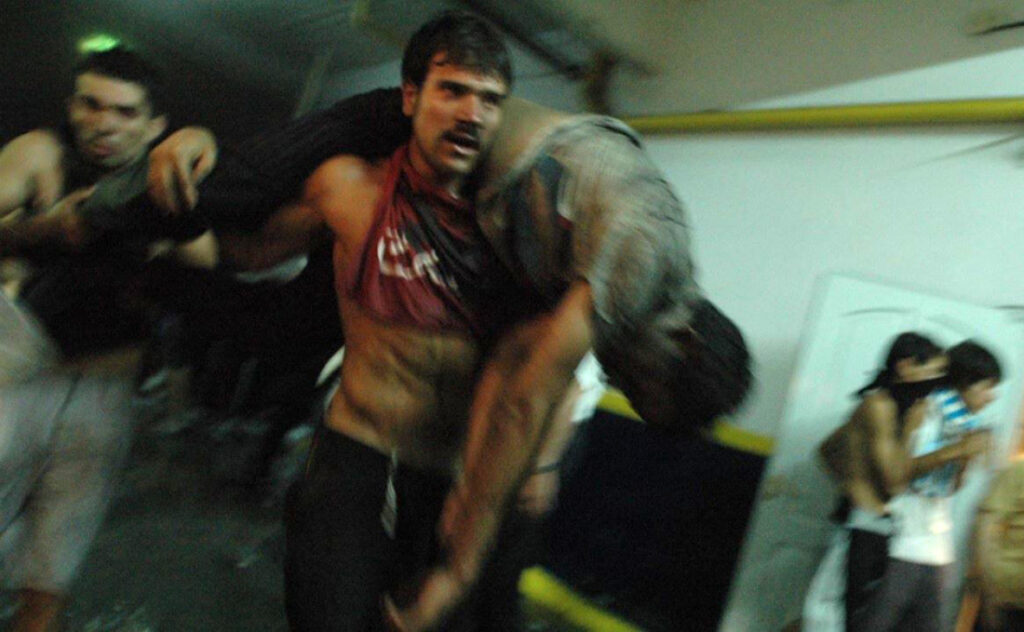
“There was a code, which I think we had more in the neighborhood than in the rock scene, which was that if you go somewhere with someone, you had to get home with them,” he added.
The firemen and ambulance crews were overwhelmed by the numbers of wounded, who came out fainting, unconscious or bleeding. Television stations broadcast the first images of hundreds of desperate teenagers and young people. Hospital wards were filled with parents looking for their children. Hell had broken loose.
“At that moment of desperation, it’s strange to see how human beings manage to organize themselves,” journalist Hernán de Corso told C5N. “People with no training, most of them teenagers, still formed cordons, carried each other.”
‘Part of me died’
In addition to the 194 deaths, the consequences for the survivors would last their entire lives. “I think a part of me died,” said Salinas. “After that night, you were in pieces.”
The survivors who spoke to C5N said they had found the strength to continue thanks to their friends and family — but not everyone was as fortunate. “There are kids who died by suicide, friends of ours, who couldn’t find that support, that peace,” Vilas said.
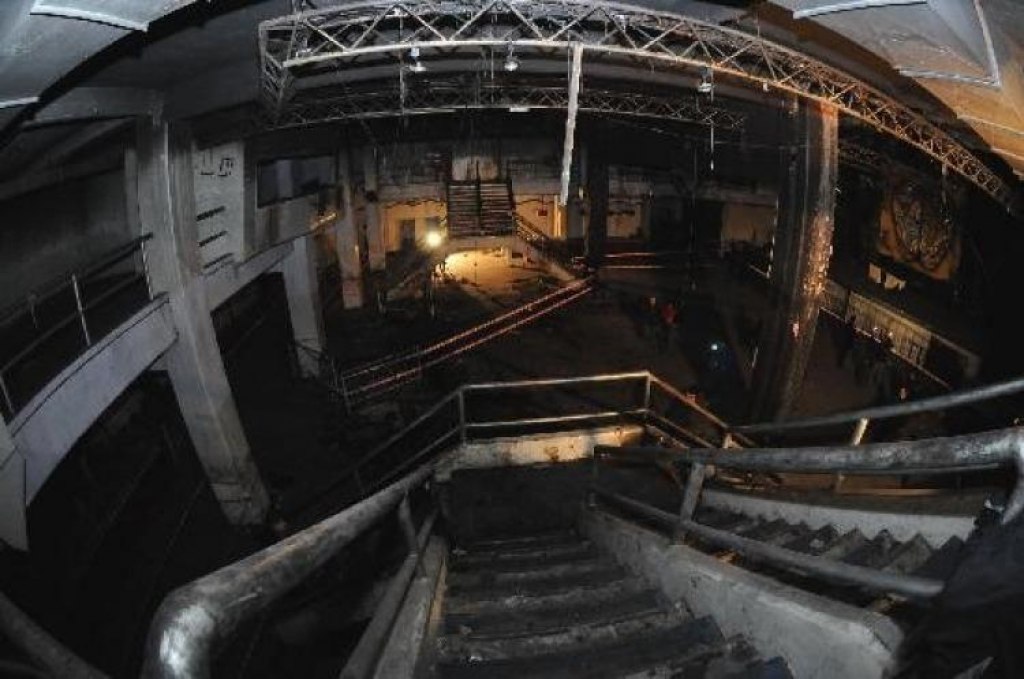
The Cromañón tragedy represented a change in various Argentine social norms, including an overhaul in safety culture that saw many venues shut down. “It marked a turning point in venue security, from nightclubs to movie theaters and football stadiums,” said De Corso.
Since the day of the disaster, 26 people have been judged in four trials. Twenty-one were found guilty and 18 of them were sent to prison. All have finished serving their sentences. They include Chabán, the Callejeros band members, and numerous members of the local authorities.
Ibarra was impeached and removed from his role as city mayor in March, 2006.
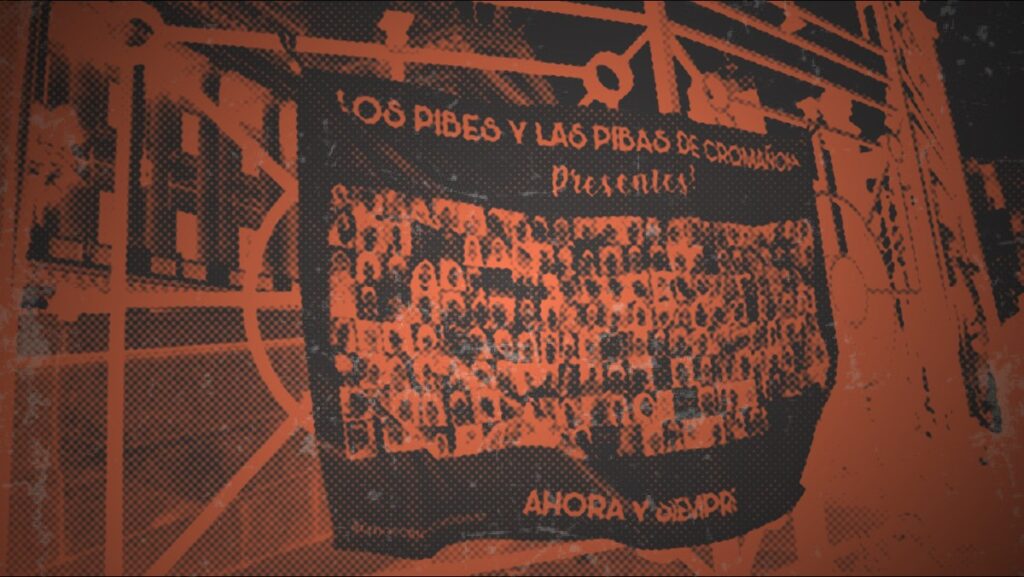
On Thursday, the Buenos Aires City government approved a law granting lifelong reparations to the survivors and their families. The measure replaced an existing reparations law, which was about to expire.
The move was welcomed by survivors. But they know they will carry those scars for a lifetime.
“It’s very difficult to heal, to recover what you used to be. It was so lovely to be young and happy,” recalled survivor Nahuel Vilas. He knows he will never feel that way again, and his memory of his youth will always be tinged with sadness.
Translated and compiled from C5N.com. Originally published here, here and here.