

After rumours indicating that the national government could confiscate soy harvests and/or force farmers to sell their stocks so to burst exports and get fresh dollars to cold down a heated exchange market and its repercussions on inflation, farmers’ leaders came on stage to express a clear resistant spirit.
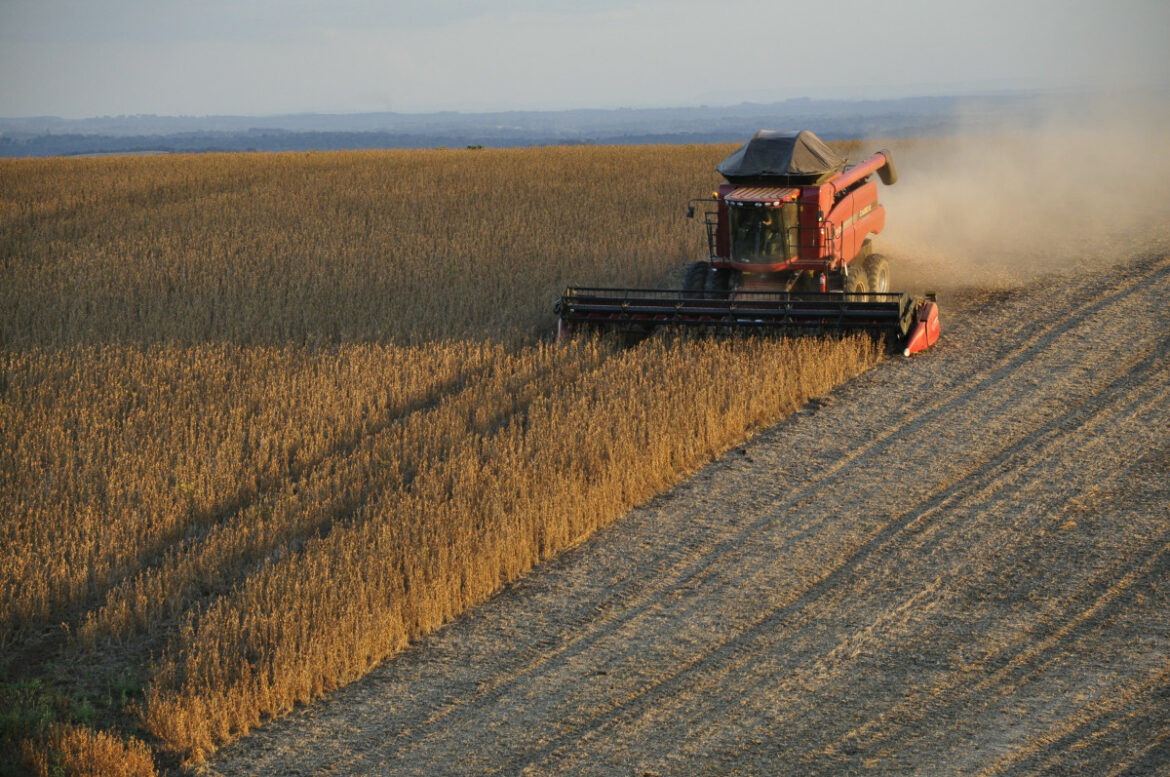
Farmers have started harvesting soybeans but heavy rains that arrived after months of drought have slowed efforts to gather the parched crops, the Buenos Aires Grains Exchange said today.
Chicago corn, wheat and soy slid today after marking record highs last week, tracking declines in broader markets as worries on Europe's debt woes festered, though relentless heat in the US grain belt continued to destroy crops.
Chicago soybeans jumped to a one-week top today, while new-crop corn rose to a contract high as the worst drought in five decades continued to threaten crop yields across the US grain belt with little relief expected this week.
The US Department of Agriculture has raised its 2012/13 global ending stock forecast for cotton to record highs for a third consecutive month, sending prices down and reinforcing concerns about weakening demand from China, the world's largest textile market.
Soy climbed at 2.2 percent on the Chicago stock and reached its best price during 2013, closing at USD 558,88 per tonne and showing 7.2 percent growth.
US soybean futures rebounded from a three-month low in a technical-buying and bargain-hunting bounce after tumbling nearly $3 a bushel from record highs set a month ago.
US corn futures fell 1.2 percent as the Midwest harvest progressed at a record pace and after private forecaster Informa Economics raised its yield and production estimates for the drought-hit 2012 US crop.
US soybeans erased the day's gains to end slightly lower before a key US government crop report as a rally in the dollar overwhelmed expectations that a move by China to stimulate the economy could increase demand.
US corn futures surged the daily trading limit, jumping 5.6 percent after the government shocked the market with a report that end-of-season stocks tumbled 12 percent from a year ago, coming in at less than 1 billion bushels for the first time in eight years.
US soybean futures tumbled more than 2.5 percent, reversing similar gains from the previous session, as a record-fast harvest pace and reports of larger-than-expected yields pressured prices.
US soybean futures fell for a second straight day, sliding nearly 2 percent to a three-month low as the record-fast US harvest and better-than-expected yields weighed down prices along with spillover pressure from plunging palm oil prices.
US soybeans ended marginally higher after a seesaw session which saw talk of end-user demand and a weaker dollar lend support though gains were limited by an advancing Midwest harvest and accounts of good yields.
US grains tumbled, and soybeans sank below $16 a bushel to their lowest price in nearly three months as worries about Europe's debt crisis had investors scrambling for safe-haven assets like US Treasury bonds.
US corn futures fell to a three-month low and wheat slid to a 2-1/2 month low, both sinking for a fourth straight day, pressured by technical selling and fund liquidation ahead of a government grain stocks report on Friday.
US soybeans rose nearly 2 percent after their biggest two-day selloff in seven weeks, and corn and wheat also climbed on buying interest at lower prices.
US soybeans and corn fell as the brisk pace of the domestic harvest and global economic worries dampened investor sentiment after drought lifted prices to record highs this summer.
Wheat prices climbed as Russia's economy minister raised the possibility of grain export curbs by the world's third-largest wheat shipper. Soybeans rose late, but posted their biggest weekly loss in a year.
Chicago soybeans rose for a third straight session, and corn firmed, buoyed by the US Federal Reserve's announcement of a new round of stimulus measures which investors hope will improve the demand outlook for raw materials.
US soybean futures tumbled by the daily trading limit, posting their biggest percentage drop in nearly one year, on selling sparked by anecdotal accounts of better-than-expected yields in the Midwest farm belt.
Soybeans fell, extending losses from the previous session when prices recorded their biggest daily drop in a year on signs of better-than-expected yields in the Midwest as well as favorable crop weather in Brazil.
US corn futures sank to a six-week low as traders moved out of bullish bets ahead of US government reports that will give updates on crop damage from the worst US drought in half a century.
US soybean futures set a three-week low as a swift harvest and profit-taking before key reports sparked selling that accelerated a five-day setback from record highs.
Chicago soybeans rose today after hitting a three-week low, while corn gained following two straight days of losses in positioning ahead of key US reports which will shed light on damage caused by a historic Midwest drought.
US soybeans slid over 1 percent, notching the biggest one-day drop in three weeks as the harvest in the Midwest farm belt got underway and on profit-taking a day after prices set an all-time high near $18 per bushel.
Chicago wheat futures soared more than 2 percent amid expectations that world's No. 4 exporter Russia could soon run out of supplies, forcing some demand to shift to the United States, the top shipper of the grain.
Soybean futures fell for a third straight day and snapped a five-week winning streak, as investors banked profits and recent rains in the farm belt looked set to help some of the crop recover from the worst drought in half a century.
US wheat fell slightly today after traders locked in profits following its biggest daily climb since mid-July in the previous session, although concerns that Russia is poised to implement export curbs continued to support prices.
Wheat prices fell more than 1 percent to post their biggest loss in a week in reaction to month-end fund positioning, profit taking, and bearish news that Russia said it will not limit grain exports.
Soybean prices notched a new record high of nearly $18 per bushel as money managers jumped into the market at the start of the month on tight supplies after the worst US drought in 56 years devastated the crop.
US soybeans rose for the second consecutive trading session today reaching contract highs on shrinking soy supplies after the worst drought in over a half century slashed America's crop output.
US soybean futures were little changed on today as the market took a breather following a sell off yesterday when investors took profits after a drought-driven rally lifted prices to contract highs.
US wheat rose today, gaining for the first time in six sessions, on concerns key producer Russia may curb exports of the drought-hit grain at an agricultural ministry meeting later this week.
Soybeans rallied more than 2 percent to hit another peak today, while corn rose 2 percent on evidence of shrinking crops due to a severe drought and the need to temper demand through even higher prices.
US corn futures eased from record highs today on a lack of bullish news, while soybeans and wheat gained in choppy trading, seeking fresh direction, traders said.
US soybeans rose 1 percent, and posted the biggest weekly gain in a month, ahead of final crop estimates from the Pro Farmer tour of the Midwest this week that were released at the close of Friday's futures trading.
Chicago grain and soybean futures edged Chigher today after a two-day pullback as technical support and weather disruption to crop supply underpinned the market despite an improvement in growing conditions in the drought-stricken US Midwest.
US soybean prices rose by 1 percent today while corn and wheat also advanced with the market back on an upward track after a three-day setback driven by profit-taking and improved weather in the US Midwest.
US and European wheat futures gained again today as importers took advantage of a price fall earlier in the week and as operators continued to anticipate Russia would drop out of export markets in the coming months due to drought-hit supply.
US soybean,corn and wheat edged up today after a three-day losing streak, but both markets were on track for a second straight weekly drop as importers slow purchases after a steep price rally in the last two months.
Soybeans tumbled more than 2 percent today for their biggest decline in 11 days after widespread weekend showers in the US Midwest brought mild relief to the crop, but the market was still up 27 percent from the drought rally of the past two months.
Chicago corn edged lower on Monday as the market took a breather from a drought-driven rally that lifted prices to an all-time high in the last session and intensified fears of a food supply crisis.
Soybeans were higher and heading for their best monthly gain in over 4 years as continued hot and dry weather in the Midwest farm belt over the next two weeks could hurt the crop's critical reproductive stage of setting pods.
US grains extended losses today in a pullback to the blistering drought rally, with soybeans leading markets down as better chances for rain this week could help the crop while it goes through the crucial phase of setting yields.
Chicago Board of Trade soybeans, corn and wheat weakened for the third day in a row early today due to forecasts for rain in the drought-stricken US Midwest.
The commodities soy and corn’s prices sky rocked today thanks to the severe drought that has been punishing the United States heartland. Soy and corn were being sold at record high of US$638.89/ton and US$320.26/ton respectively.
US soybeans surged two percent today to hit record levels for the third day in a row as scorching temperatures amid a relentless drought baked crops in America's heartland, spreading into top producers Iowa and Illinois.
US corn, soybean and wheat stocks rose today, clawing back some of the losses from earlier in the week on renewed worries about crops in the US Midwest hit hard by drought.
