
 Danielle Ames
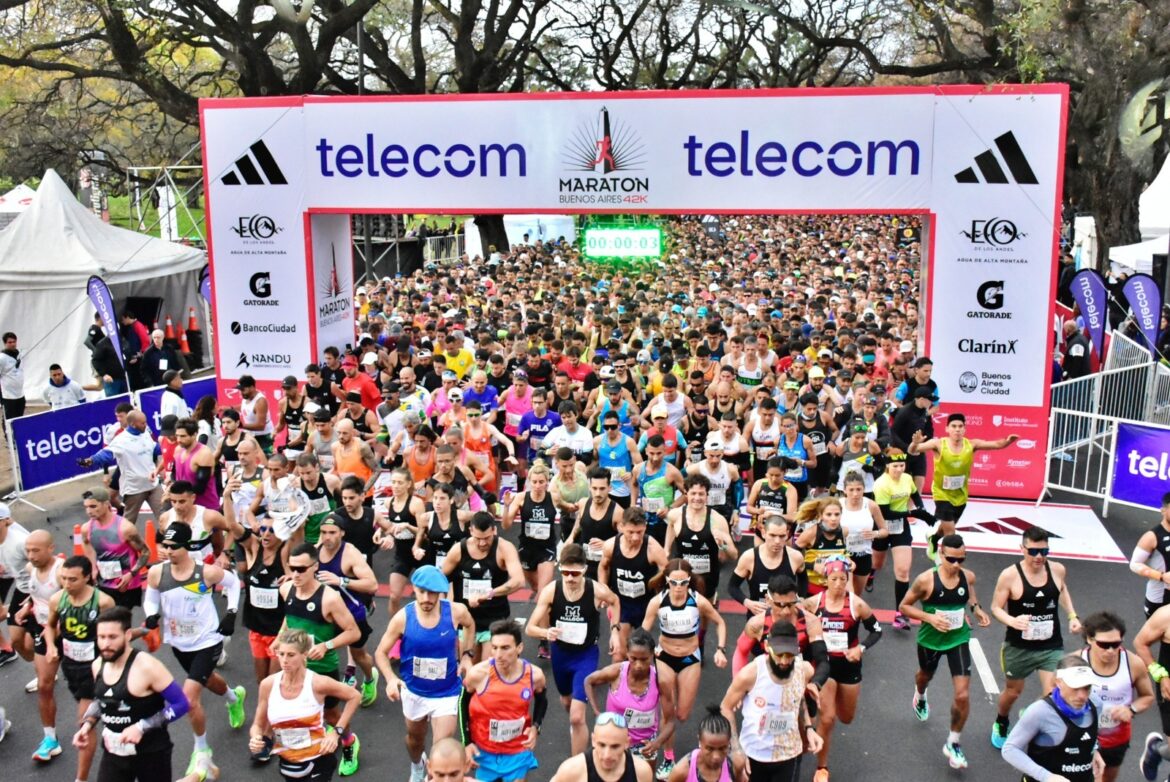
 It was still dark when runners started arriving at the starting line, queuing their playlists and balancing against trees to stretch.
About 5,000 athletes came out for the European Union Buenos Aires Run this year. Like many races in Buenos Aires, the start line was at the intersection of Figueroa Alcorta and Dorrego. It’s a scenic place to run: huge plane trees form a green tunnel that filters the sun’s first rays.
The race looped around the parks of Palermo, River Plate’s Monumental stadium, and the Galileo Galilei planetarium in a picturesque route that shows why Argentina’s capital is such a hotspot for runners. It’s not just about the city’s beauty, either: Buenos Aires is a flat city that’s (mostly) blessed with good weather during race season, and elite athletes fly in to notch up personal bests.
So whether you’re a seasoned marathoner looking to get your bearings in a new city or a visitor looking to see the sights on your weekly long run, here’s the lowdown.
Where to run
Everywhere! Much of central Buenos Aires is flat and walkable, meaning you can trot past major national landmarks including the Casa Rosada, the Obelisk, the Congress building, and Plaza San Martin within 20 minutes or so.
That said, the Herald’s runners have our favorite green spaces for longer outings.
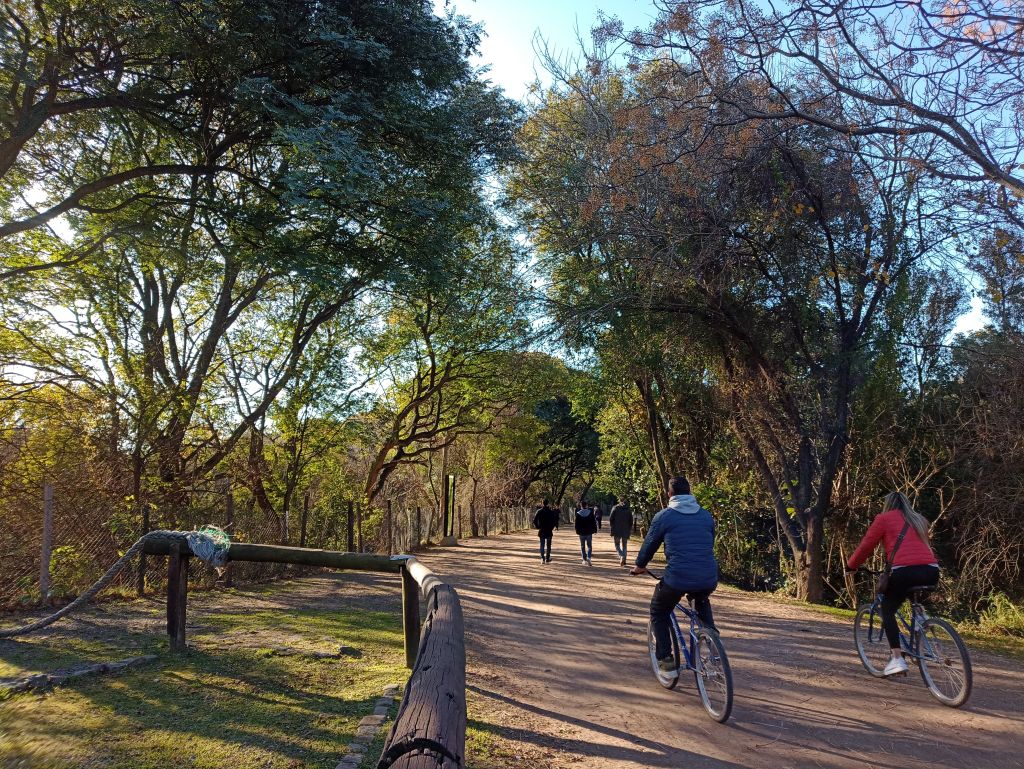
The Bosques de Palermo are a stretch of connecting parks that can be combined to create a long, scenic route. The lawns are usually littered with friends and families relaxing on blankets drinking mate. You’ll jog past impromptu football games, drum circles, and vendors selling popcorn or cotton candy.
Beginning at La Pampa and Av. Pres. Figueroa Alcorta you’ll find the Lago de Regatas, a small lake surrounded by a calm grassy area with a cobblestone path, it’s one of the quieter parks in the city.
Eventually you’ll get to the Rosedal, a seasonal rose garden next to a lake where you can rent pedal boats. It’s home to herds of geese who waddle laps around the park.
Nearby lies the planetarium as well as the Ecoparque (formerly Buenos Aires zoo) and the Japanese gardens. The latter two are not ideal for running: the Ecoparque is typically crowded, while the Japanese gardens is a closed, gated attraction with a paid entrance.
Drinking fountains are conveniently dotted throughout the green spaces here.
As you jog south-east down Figueroa Alcorta to Recoleta, you’ll pass the Floralis Generica (a huge metal flower statue), the University of Buenos Aires law faculty, and the Museo Nacional de Bellas Artes — architectural landmarks so striking you’ll forget your goal pace.
A couple of kilometers further down is Plaza San Martín, a historic landscaped square where an attempted invasion by the British was famously fended off in 1807. The steps here are great if you’re looking to train hills.
Running in Puerto Madero and the Ecological Reserve
Running along the dikes of Puerto Madero offers fantastic views of the Puente de la Mujer, and the back of the Casa Rosada. You’re close to the River Plate here, and the sunsets and sea breeze are fabulous — but you’ll want to use insect repellent, especially in summer.
The Costanera Sur ecological reserve in Puerto Madero spans about 865 acres of marshland, trees, and trails. It’s 8km in circumference, and there are drinking fountains by the entrances. The Herald’s deputy director, Amy, does her marathon training runs here! Opening hours are 8 a.m.-6p.m. and it’s closed on Mondays.
Vicente López is another key spot for Buenos Aires runners in the north of the city. Well-maintained trails span the coastline and you can log your distance with some coastal breeze. If you’re feeling adventurous, you could run all the way to Tigre!
Apps such as Strava will suggest routes, but we recommend showing a local friend if you don’t know where you’re going — some route you through areas that are either unappealing to run through, or outright sketchy.
How to race
The Buenos Aires Half Marathon and the Buenos Aires Marathon are a couple of the city’s most well-known races. The 21K happens in August and draws a lot of athletes — there were 27,500 runners enrolled this year. Among them this year was Jacob Kiplimo of Uganda, who at the time of writing holds the half marathon world record.
It’s a lot of fun, but the runners among us at the Herald have found that if you’re looking to shave precious seconds off your personal record, the sheer number of runners can make it difficult.
The 42K takes place in September, and is also very popular, but significantly smaller.
The Asics Golden Run in April offers a 10K and 21K that are less packed than the September city half.
If you enjoy trail running, there’s a 10K and 21K Carrera Del Bosque Asics race in Cariló, Buenos Aires province, in November. With a route that winds through woods, up sand dunes and out onto the beach, this is one of my favorite races ever.
How do I get my apto médico?
When you sign up for a race in Argentina, you’ll be asked to upload an Apto Médico. This is a fitness certificate from a doctor within the past year showing you’re healthy enough to compete. You can have a licensed medical professional in Argentina do an evaluation, or if you’re a foreigner you can also have the form completed by a doctor in your home country.
It’s best to organize your medical checks a couple of months ahead of the race, since you might need to wait a while for an appointment and it can take race sites a couple of weeks to process your medical certificate.
Picking up your race kit differs with each competition, however you’ll often be required to go to a park or running club on the outskirts of town a few days before the race. You’ll usually be asked for your ID as well as your Apto Médico.
Running groups in Buenos Aires
This is a city that loves running, and there are teams to suit all interests. Herald staff have personally trained with Locos por Correr and Palermo Adventure Team. Freddie’s Fit Club is popular among English-speakers, and Squad offers social runs for those looking to meet people.
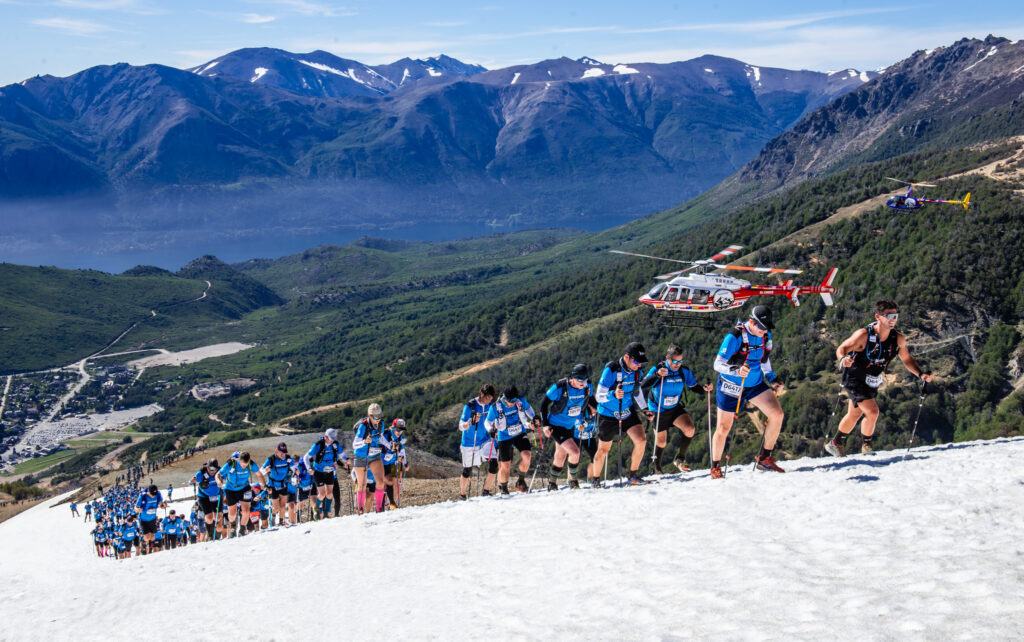
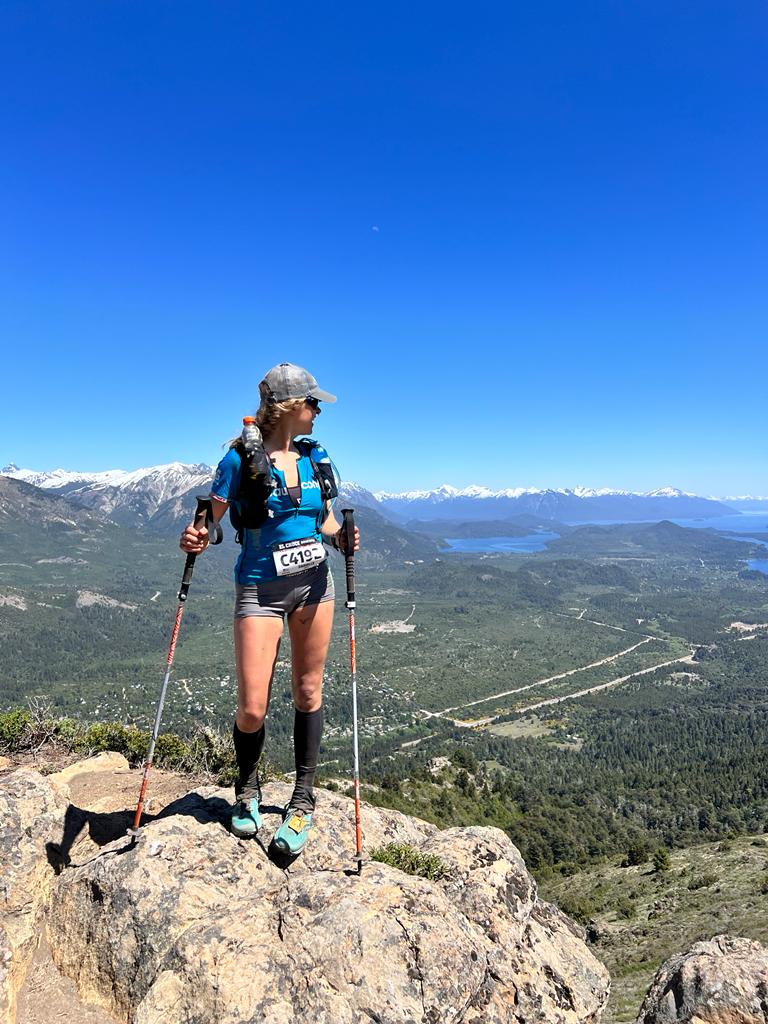
Argentina has a huge trail running scene. If you’re interested in trying something extreme, El Cruce is a 100 kilometer, three-day run in Patagonia. I wrote about what it’s like to run that one, and be warned: it features accordions.
There’s also the Raid Columbia race in Salta and Jujuy that crosses the salt flats.
If you’re looking for a race that fits your dates, check out the listings on Club de Corredores and the exhaustive Donde Correr. Bear in mind that much of Argentina, including Buenos Aires, gets extremely hot in summer and there are fewer races in the Southern Hemisphere summer months of December and January.
Where to buy running gear in Buenos Aires
It can feel like a scavenger hunt trying to outfit yourself for a race in this city, however — like most things in Argentina — with a bit of patience it can be accomplished.
Race expos, especially the larger ones, will likely be your best bet for buying everything running-related in one place. From water bottles to gels to athletic socks, the running fairs that pop up both at the pre-race packet pickup and at the finish lines of races, tend to be the quickest one-stop shop. However, the prices at these fairs can be eye-watering, so it’s a trade-off between convenience and cost.
If you’re on the lookout for gels, buying them online is often your best bet, but Farmacity does stock a limited selection if you need them in a pinch. Salt or electrolyte tabs are not widely sold across Argentina.
Those needing to pick up shoes will want to head to the chain store Solo Deportes, which has a number of shops across the city. You could also try specialist stores such as the Club de Corredores in Belgrano.
You can find clothes fairly easily by perusing in high street stores. If you’re looking for something cheap and cheerful, head to Paseo La Estación in Constitución.
