

 Christopher Martin
 Prosecutors have asked Argentina’s Supreme Court to revoke Cristina Kirchner’s house arrest. The former two-time president is serving a six-year sentence for her role in the case known as “Vialidad.”
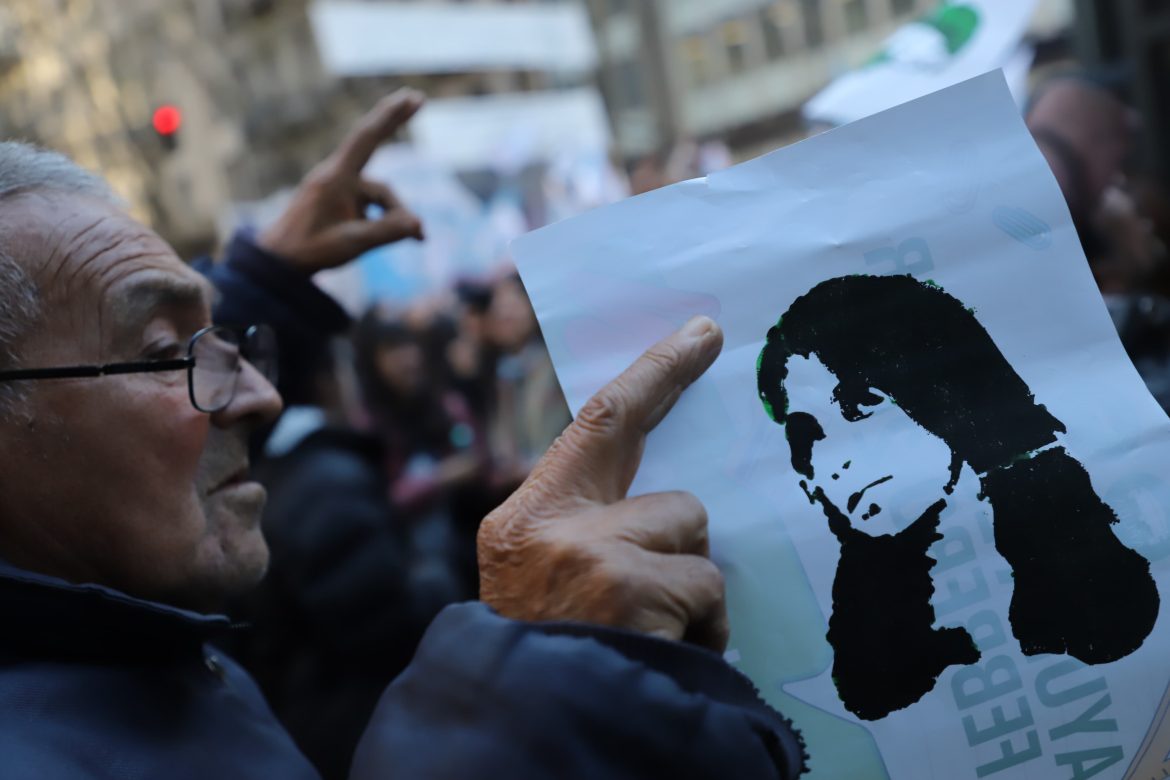
There have been numerous displays of public support outside Kirchner’s residence in the Constitución neighborhood of Buenos Aires since the 72-year-old began her sentence on June 18. The initial ruling was unclear as to whether she would be permitted to enter her own balcony. This was subsequently clarified, and, fitted with an ankle monitor, she has been cleared to appear.
The prosecutor’s requests
In their appeal sent to the court on Monday, prosecutors Diego Luciani and Sergio Mola attached images of the demonstrations. They argued that the location does not guarantee minimum safety conditions, which not only affects the neighborhood’s tranquility but also puts Kirchner at risk.
The prosecutors went on to ask what “realistic expectations of resocialization, rehabilitation, or reinsertion can be expected in light of the public and notorious events” that have taken place since Kirchner began serving her sentence.
“If the revocation of house arrest we are requesting is not granted, another place that mitigates these security shortcomings must be made available immediately,” the document read.
Luciani and Mola added that the reasons for house arrest have not been justified. They also noted that the Public Prosecutor’s Office has an interest in ensuring that the sentences handed down in “serious cases of public corruption” be carried out in prisons.
They also questioned Kirchner’s safety in light of the gatherings in the neighborhood and “disturbing scenes” that are also taking place in the vicinity, such as people breaking into neighboring properties.
To reinforce their argument regarding the disturbances the house arrest is causing in the area, they cited the “significant” security demands, with a daily average of 80 assigned officers, reaching peaks of up to 160.
In the “Vialidad” case, Kirchner was convicted of funneling 51 public works contracts in Santa Cruz province to a company belonging to her friend Lázaro Báez, in a process deemed fraudulent by Argentina’s judiciary. Supporters have long dismissed the trial as judicial persecution, framing the conviction as part of a broader campaign to sideline one of the country’s most prominent Peronist leaders from the political sphere.
With information from Ámbito and C5N – Cover photo by Mariano Fuchila