 Luz de Sousa Quintas
 Facundo Kelemen was already a popular chef on the Buenos Aires culinary scene when he decided to double down and open a second restaurant. His first one, Mengano, launched in 2018 and quickly became a hit thanks to a new take on traditional Buenos Aires dishes.
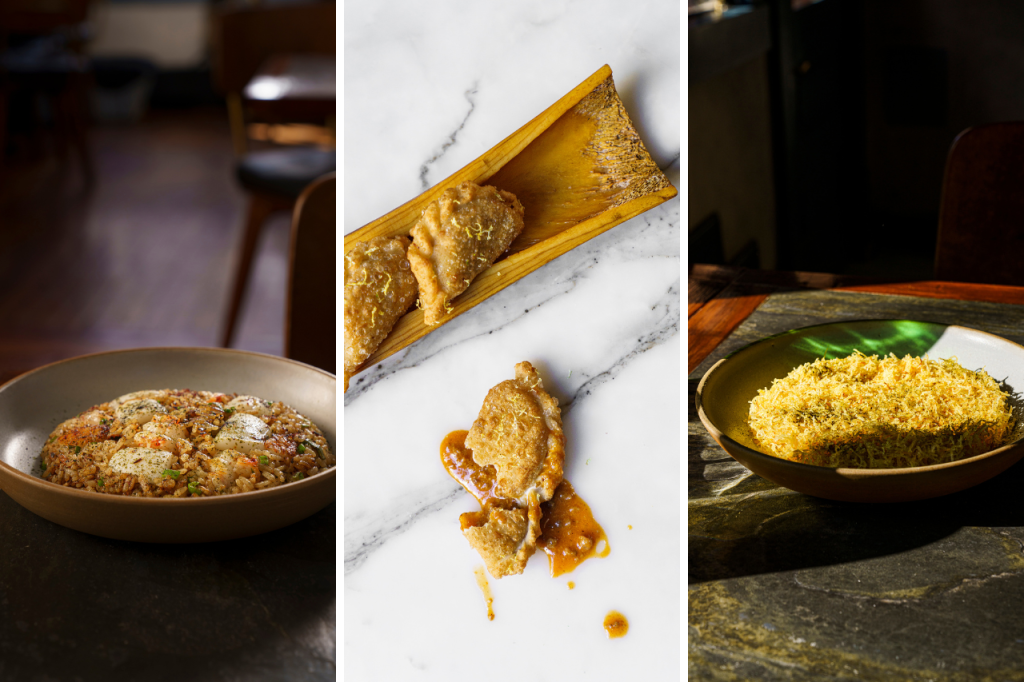
Located in the heart of Palermo, Mengano reimagined many porteño classics — think milanesas, empanadas, or revuelto gramajo — and served them with a refined twist, applying technique and an innovative approach.
Mengano has received the Bib Gourmand seal of price-quality ratio from the Michelin Guide Argentina for two years running. The Latin America’s 50 Best Restaurants ranking also placed it 82nd on its extended list. On October 5, Kelemen himself received his first One Knife recognition at the The Best Chef Awards.
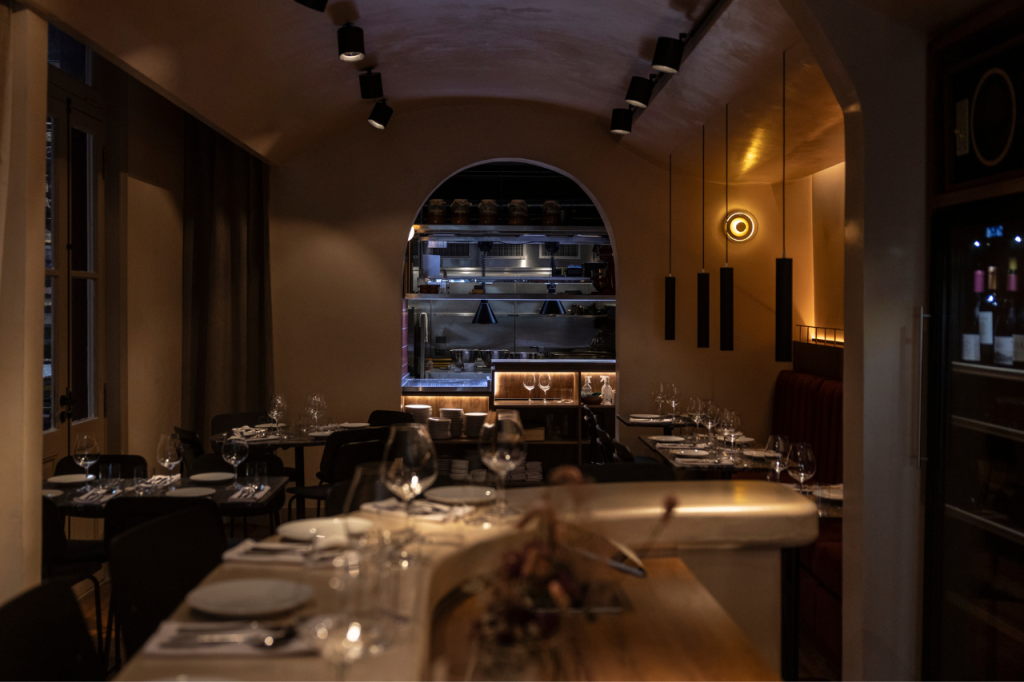
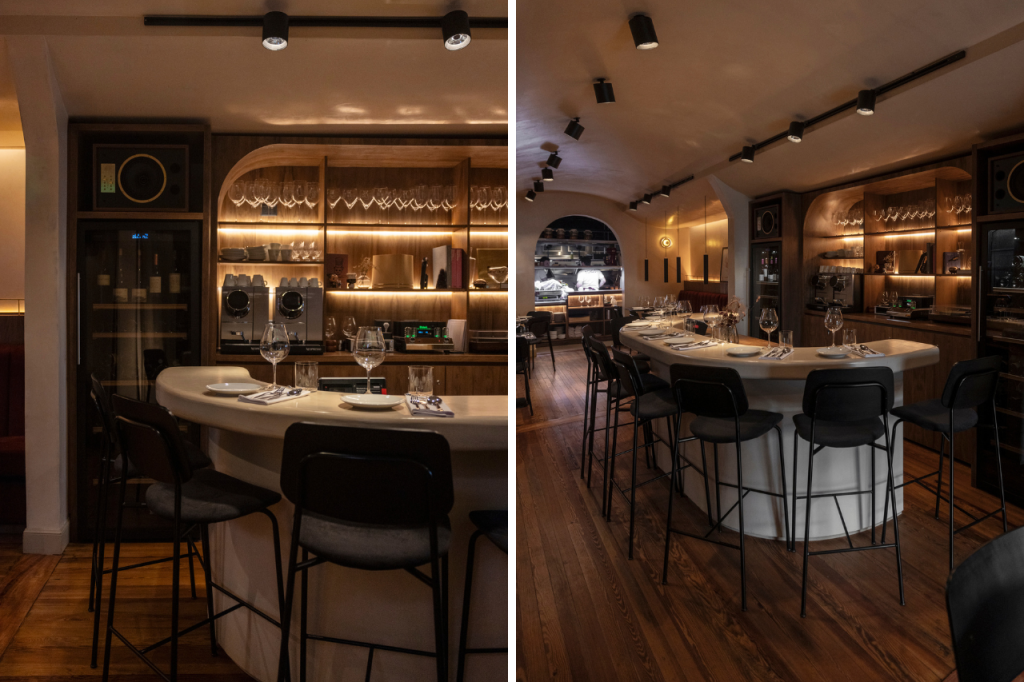
Surfing a difficult economic context, in April 2025 he made a leap and opened Bordó, a completely different concept based on two main protagonists: produce and wine. Starting October 15, Bordó will also feature an outdoor terrace that will open for after office hours, from 6 p.m. to 11.30 p.m., offering drinks and wine by the glass as well as cheeses and charcuterie.
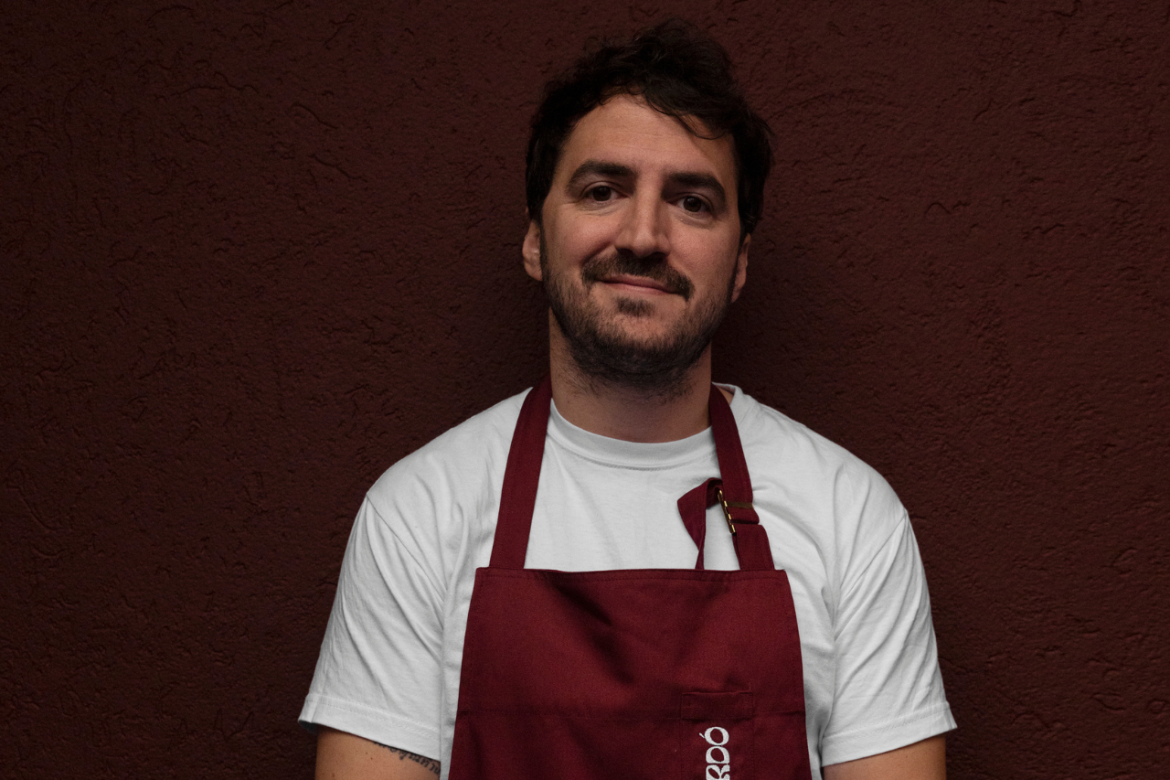
A law graduate, Kelemen is used to big leaps. He was actually pursuing a master’s degree in corporate law before he drifted towards the Argentine Gastronomy Institute (IAG) in Buenos Aires, lured by an activity he had always enjoyed. He worked at several Michelin-starred Buenos Aires restaurants (including high-end Tegui) and interned in some of the finest New York kitchens (like Estela and Atera) before finally abandoning law and opening his own restaurant together with his friends Diego Borrero and André Parisier.
In an interview with the Herald, Kelemen discussed the new projects he has in mind as well as his vision for porteño gastronomy. Below is a transcript of the interview, slightly edited for clarity.
How would you describe Bordó?
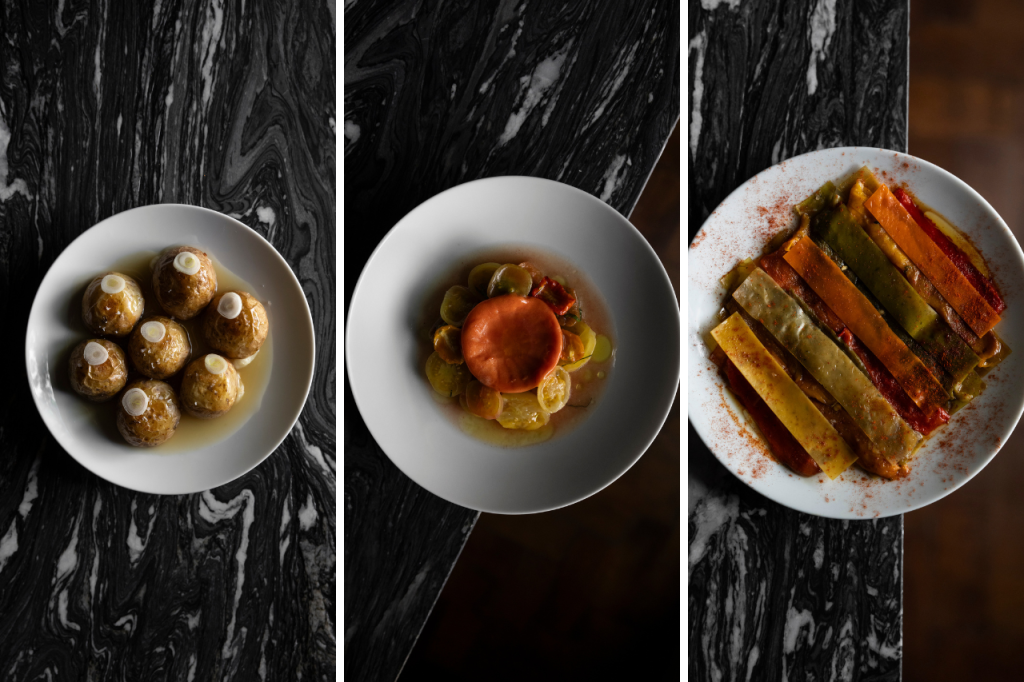
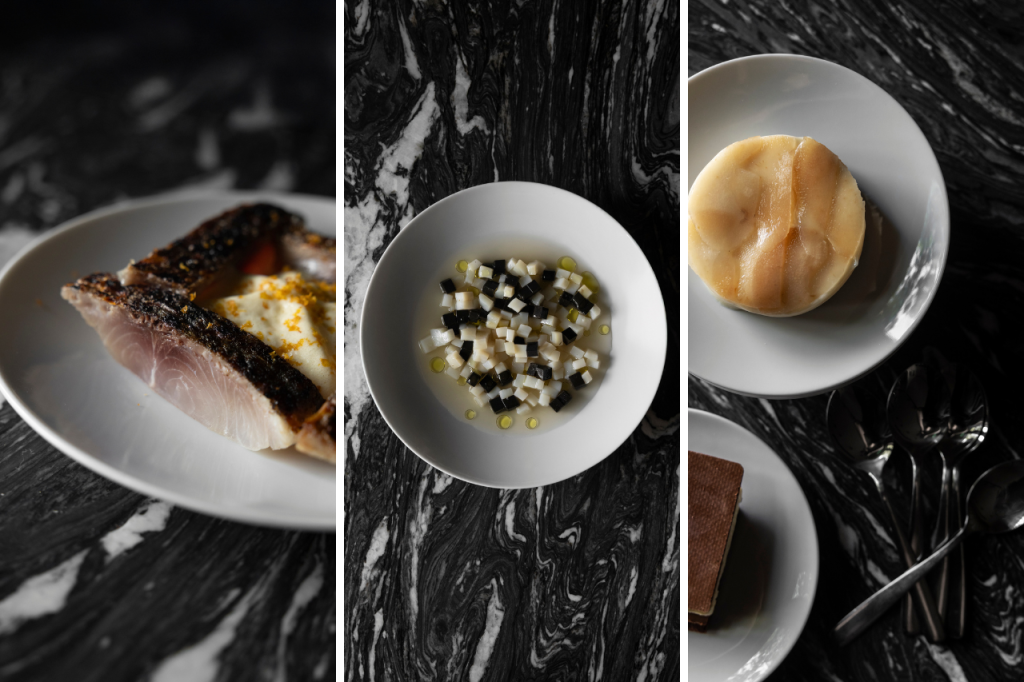
Bordó is a new project I opened last April. I wanted to open a wine bar, but since there are already lots of them in Buenos Aires — and some very good ones — I wanted to do something different. I started thinking that wine is based on a single product: grapes, so I sought to have each dish on the menu based on a single produce. And to apply different techniques to highlight the product. This doesn’t mean there won’t be other elements on the plate, but rather that that produce will be the prevalent flavor.
How is it different from Mengano?
The main difference is the food. In Mengano, the flavors are more Argentine; we use several produce in different dishes because that’s what bodegones are like; they blend more elements. Bordó, on the other hand, is perhaps a more original proposal. In terms of the experience, both are casual restaurants, but with a signature cuisine. Bordó offers a slightly more modern approach, and the place also intends to provide a good sound experience, because it has an excellent audio system. Prices are very similar, although Bordó is a little cheaper. It also has a roof terrace that will be open in the afternoon, with choices of cheese, charcuterie, and glasses of wine.
What inspires you to create Bordó’s menu?
At Bordó, I’m limited by only having one ingredient per dish, but the great thing is that I can make anything, from a taco to curry, because I’m not limiting myself to Argentine food. I try to ask myself what that stands out about a produce, what I like the most about it, and then make the dish revolve around that. For example, what I like about tomatoes is their acidity and freshness, so I try to highlight that in the dish. Then, I apply different techniques, and that has endless possibilities.
How often do you change the dishes on the menu?
The menu itself, every six months. I started with a summer menu because my partner wanted to do a fairly long trial run, so shortly after we opened I had to change it to a fall-winter menu. I kept some protein dishes, which perhaps don’t vary that much, and I had to change the first six dishes, which were more summery, like the tomato.
When you started, things looked discouraging for the service industry and general consumption. How do you see the situation right now?
The restaurant’s renovations lasted a year, when it should have lasted seven months. We were supposed to open during the summer, a time of peak consumption. We landed right in the fall-winter season, when prices dropped significantly. The restaurant has been growing, but it’s also true that we’re in a slightly remote location, which is more of a special destination, so perhaps it’s harder to attract people at first. Mengano is right in the middle of Palermo and it runs on its own, but we still have to work on Bordó — we’ve only been here for five months.
Why did you choose that location in Colegiales?
One of the partners already had the place. I actually wanted to open a steakhouse, but that place didn’t allow it, so we thought about developing a wine-based concept instead.
Do you still want to open a steakhouse?
Yes, I do, but that will happen later. We’re going to open another place, on Suipacha and Libertador Avenue, but it will be more suitable for all ages. It will be open during the day, with lunch options, in a business area. It will be like an Argentine bistro, without so many extravaganzas. We’re still under construction, and I estimate we’ll open in January of next year.
What’s your take on the current Buenos Aires restaurant scene?
A lot of places are opening even though consumption has dropped — and many of them are really cool. I think the food scene is quite trendy. Lots of new places are also opening in big cities like Madrid, Sao Paulo, New York. It’s great to have that diversity.
Do you think Buenos Aires cuisine has a distinct identity?
The two most traditional Buenos Aires restaurants are parrillas and bodegones. In fact, there are lots of people opening meat restaurants, but not many trying to modernize bodegones. Also, when I go to more traditional places I see a strong identity in the way they serve the food, the Buenos Aires waiters. Waiters who have worked in the same place for 30, 40 years. And obviously, in the food too. The Buenos Aires pizza is different from other parts of the world.
What typical Buenos Aires dishes are you reimagining in Mengano?
We currently have a Maryland duck, which is a remake of Maryland chicken. Its a duck dish that goes very well with fried plantains and creamed corn. We have some meat empanadas, the “not so scrambled Gramajo,” which is a twist on the stuffed bell peppers people usually grill at home, the milanesa sandwich, and the rice, because most Spanish-style bodegones always have a yellow rice. And we have some gnocchi, because bodegones always have a pasta dish. Since it is a short menu, we try to have variety.
What culinary habits do you like here?
I liked that we used to be able to eat late — people still do, but you don’t see that so often nowadays. I think days became shorter after the pandemic. You used to be able to go out and have dinner at any time. Dining early obviously has a positive side, but Argentines have always been nocturnal.
What are your favorite restaurants in Buenos Aires?
Managing two restaurants, it’s difficult to go out to eat, but if I make time and someone invites me, I go to my friend Tomás Treschanski’s place. As a fine dining restaurant, Trescha is delicious. For everyday meals, I like Corte and Gran Dabbang.
How about in the rest of the country?
In Mendoza, Azafrán and Riccitelli are delicious. In Bariloche, there’s Ánima. Mar de Plata is also nice, with Lo de Tata and Sarasanegro — there are some really cool places to eat.