
 Buenos Aires Herald
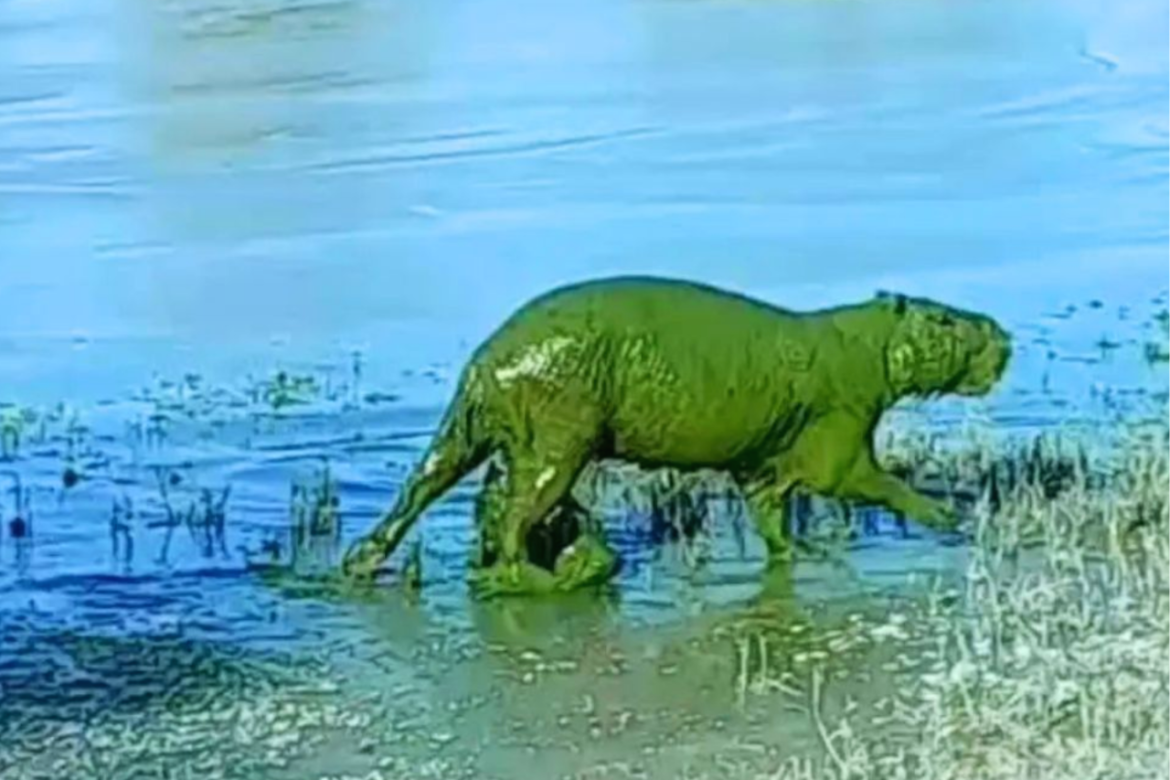
Recent videos showing green-dyed capybaras emerging out of the Uruguay River have sparked concern over cyanobacteria contamination in Entre Ríos.
The affected animals were spotted in the city of Federación, and government authorities have taken preventive measures by limiting access to the beaches.
The presence of these bacteria and the sight of green-bleached rivers have triggered alarm among residents and government officials. The situation could potentially have an impact on public health due to the dangerous toxins for humans and animals.
Contact with this bacteria can cause irritation to skin and eyes, and also lead to nausea, vomiting, and diarrhea. Other symptoms include headache, muscle weakness, dizziness, and fever.
Healthcare authorities recommend avoiding contact with rivers, especially if the water’s green. They also warn about the risk of immersion, especially for children and pets, and recommend keeping them away from the river.
Why is the Uruguay River in Entre Ríos contaminated?
Cyanobacteria are popularly known as “green algae.” Their presence is the result of serious contamination together with other environmental factors such as high temperatures, excess nutrients, and strong sunlight.
According to experts, the main sources of contamination are associated with river effluents loaded with nitrogen and phosphorus, because they also carry untreated urban wastewater. Industrial effluents and the excessive use of fertilizers are also said to contribute to such pollution.
Cities such as Federación, Concordia, San José, Colón, Concepción del Uruguay, and Gualeguaychú show high levels of contamination, as none of them currently have sewage treatment plants — only Gualeguaychú has a pending expansion project.
