

 Cecilia Camarano
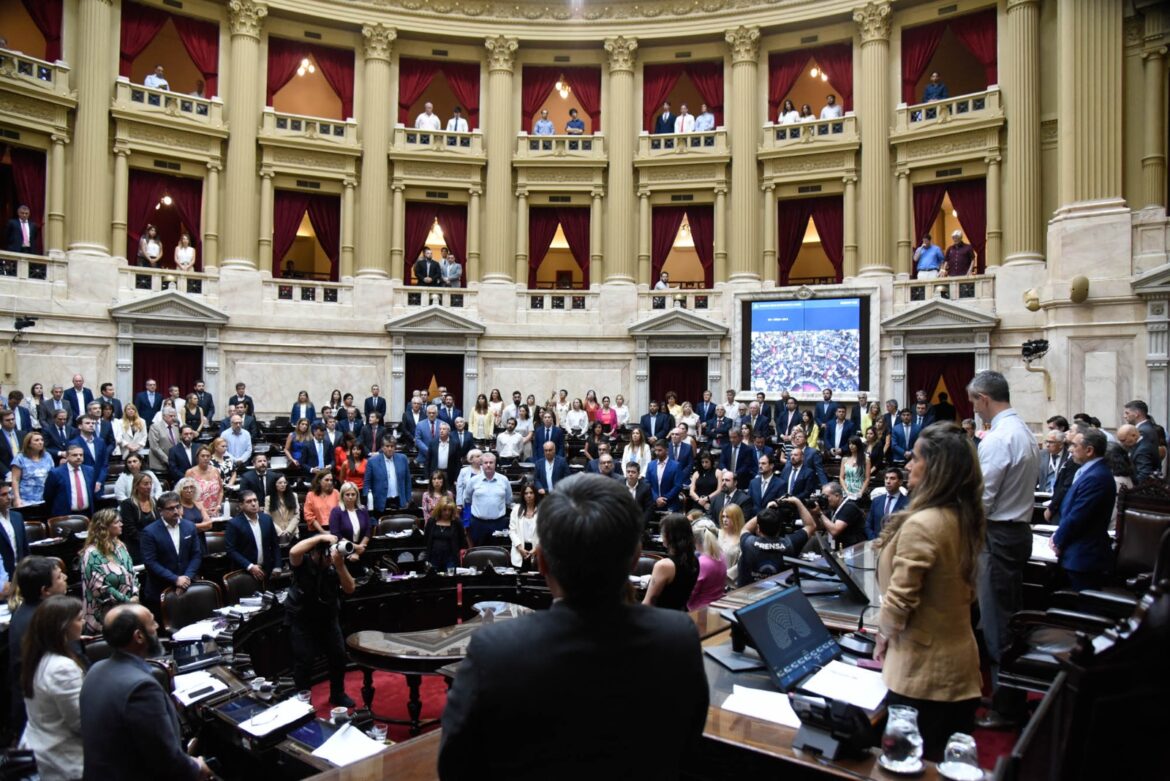
 Exactly one week passed between the government’s announcement that it would call for extraordinary sessions of Congress and the decision to squash the idea. The proposal was never made official and the possibility that lawmakers discuss a list of topics proposed by the Executive Branch fell through.
Asked by Herald sister publication Ámbito, a government official said that there was a “lack of consensus” regarding the topics to be discussed. The opposition was not interested in the issues the government wanted to debate, and vice versa. In fact, electoral reform (which includes the elimination of the PASO primaries) was probably the only priority for the government, and the issue that held up negotiations the most.
Presidential spokesperson Manuel Adorni denied that the announcement he made confirming that the government would call for extraordinary sessions between December 5 and 27 caused a rift with his fellow cabinet members. “That was the decision, and [the potential topics] weren’t only the ones on the list we published, other proposals were set to be added,” he told Ámbito.
Adorni also pointed to a lack of agreements as the main cause for why the proposal fell through. “This was going to happen insofar there was a consensus, so that there is a point in doing the legislative work and seeing these projects through; it’s not clear that that can be achieved,” he stated.
Why the government backtracked
The question that is now being asked is whether the government had the required agreements when it announced that it would call extraordinary sessions of Congress. Asked by Ámbito, Adorni said that the proposed bills were the ones the government wanted approved.
“The agreements were being discussed [at that time] and we felt that it was possible to achieve them; we are still hopeful,” he said.
Despite the official stance, and according to information Ámbito was able to verify, the Executive Branch never reached out to opposition lawmakers to discuss the list of bills they wanted to debate. Government officials acknowledged that they “never reached an understanding with the PRO and UCR parties on the topics,” and that the idea was to call for the sessions to show that “the Executive Branch is ready to debate.”