
 Buenos Aires Herald
Cardinals at the Vatican have chosen the date for the conclave to elect the successor of Pope Francis: it will begin on May 7, and could last several days.
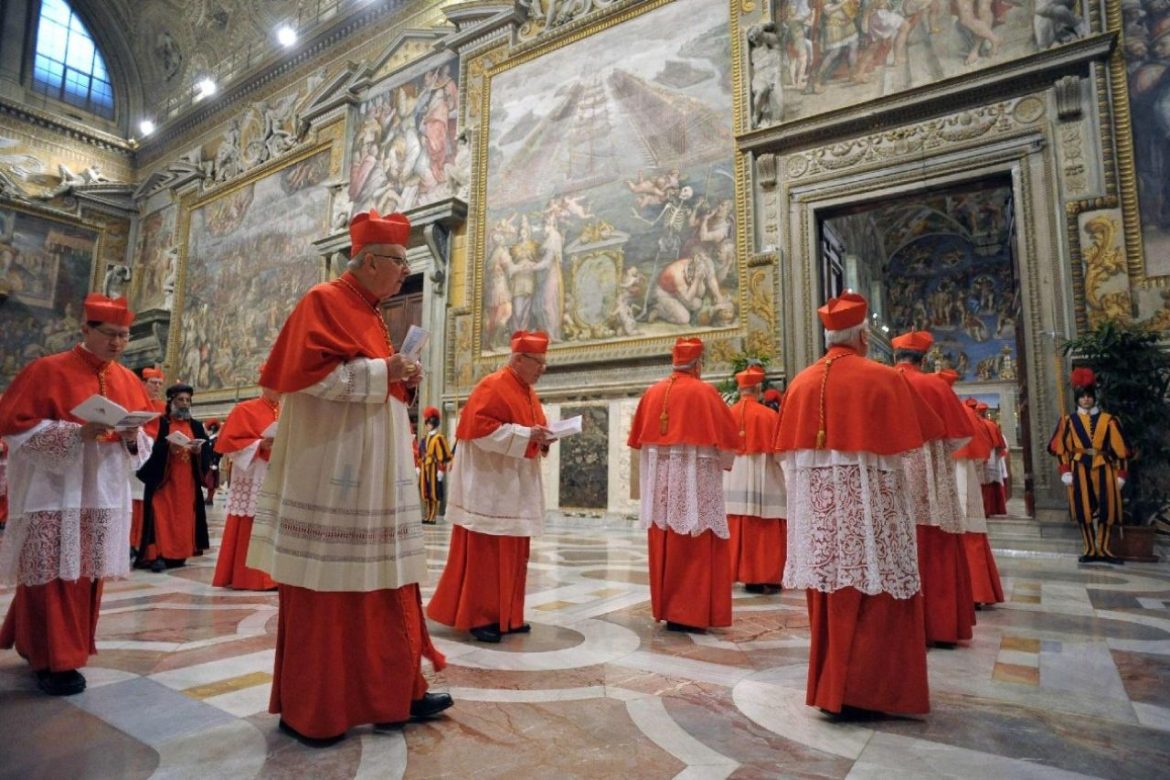
The conclave will take place in the Vatican’s Sistine Chapel. During that time, the chapel will remain closed to everyone except the cardinal electors, who will then debate, negotiate and cast their vote.
The cardinals who are currently in Rome met on Monday morning to decide the conclave’s date after the Novemdiales Masses to pray for Francis’ rest, according to Vatican News.
The conclave is a hermetic, centuries-old rite in which cardinals under the age of 80 have to vote among themselves for the new head of the Catholic Church. Cardinals must maintain absolute secrecy regarding their discussions. They can’t receive or send messages or calls, read newspapers, watch TV, or listen to the radio, and must not leave the Sistine Chapel, which remains completely sealed off during this process.
A two-thirds majority of the present cardinal electors is required to elect a new Pope. This does not happen on the first attempt. Cardinals can vote several times a day, for several days, until they reach the required majority.
All ballots are burned after the votes are counted. The smoke rising from the chimney serves as the only means of communication between the electors and the outside world. If the smoke is black, it means the results were inconclusive. If it’s white, habemus papam: a new pope has been elected.
The elected cardinal is then asked whether they want to become a Supreme Pontiff. If so, they must choose their papal name. After a notary records the decision, the conclave ends and the name of the new pope is announced to the faithful.
Pope Francis was elected on March 13, 2013, a day after the conclave had begun. The majority was reached on the fifth ballot, the last one scheduled for that day. Thus, Jorge Bergoglio became the successor of Benedict XVI, who had resigned in February.
