
 Danielle Ames
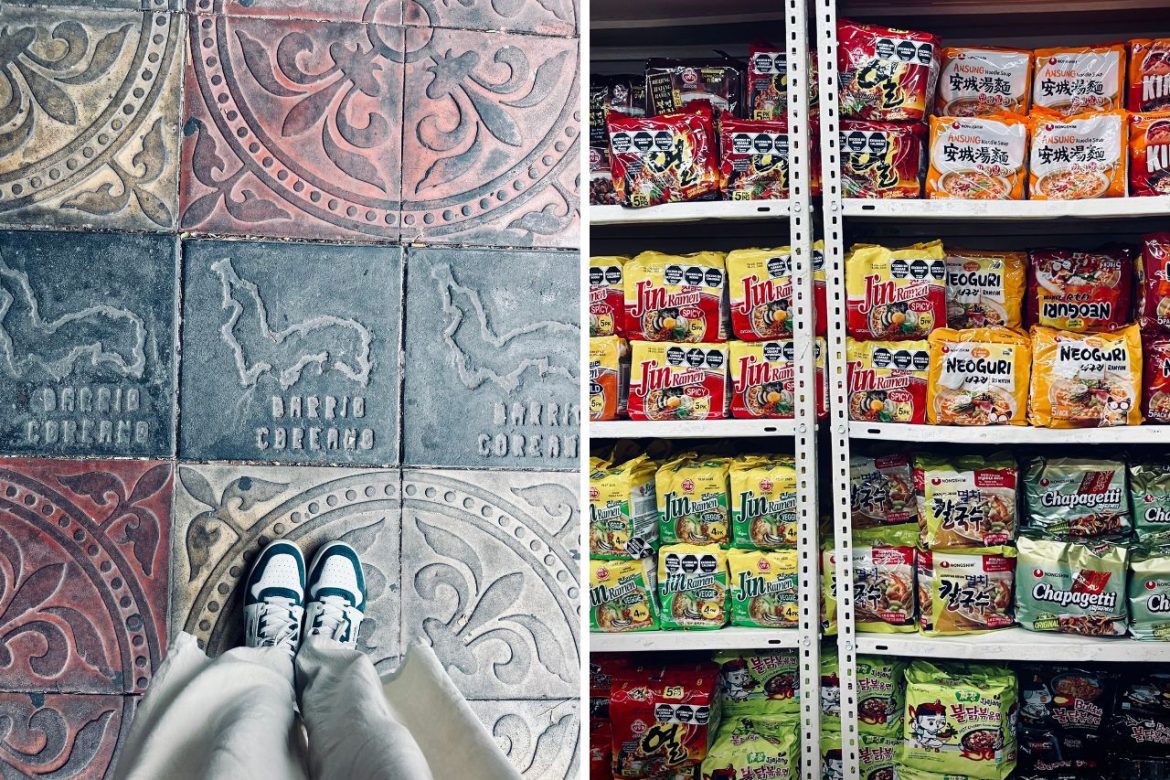
 Shorter and considerably more affordable than a flight to South Korea, lie two less-traveled Korean neighborhoods in the southwest of Buenos Aires — a haven for spicy food connoisseurs and aficionados of Korean karaoke. With colorful murals of K-pop bands, grocery stores stocked full of ramen and fairytale-esque mushrooms, and storefronts marked only with Korean lettering, it’s hard to tell you’re in a barrio porteño.
A melding of the two cultures has created its own sort of Korean-Argentine fusion, you’ll see medialunas next to mochi in display counters and Korean barbecue restaurants serving up Argentine beef.
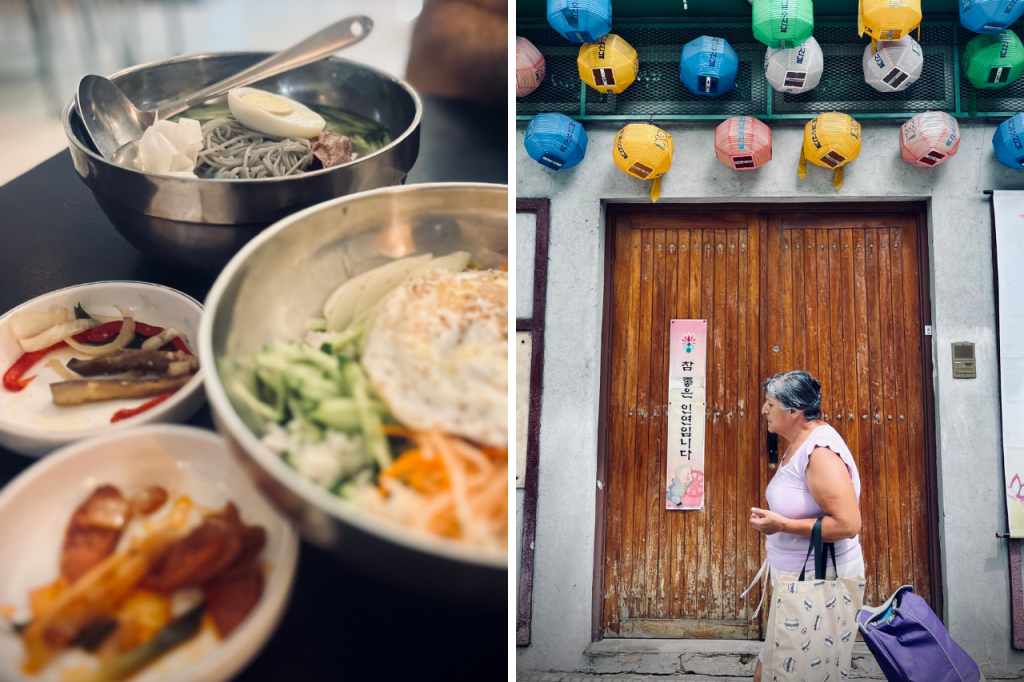
While some Korean eateries have adapted to the Argentine palate and the country’s infamous intolerance of spicy food, others are courting a solely Korean clientele and offer more traditional menus.
“In my opinion Korean food here in Buenos Aires is much better than in Korea,” Sandra Lee, president of Hansang, the Korean Gastronomic Association in Argentina, told the Herald.
“Because it’s more traditional. In Korea there are more factories and franchises,” she explained. Many of the Buenos Aires kitchens are run by grandmothers who still make their dishes by hand.
Lee teaches Korean cuisine cooking classes, making specialties like kimchi and sauces, and she said that most of her clientele are Argentine. However Argentina wasn’t always so welcoming to foreign flavors.
“Argentines are quite conservative in every way, especially when it comes to taste,” recounted Soyoung Chang who owns the cafe Pan Moa in new Koreatown. “For many people, they’d never tried fish in their lives, never tried seafood. For them, shrimp and those kinds of things were like bugs,” she added.
However, thanks to globalization and the rising popularity of K-pop and K-dramas, Korean culture and cuisine have become increasingly popular in Argentina. Korean restaurant Han in Villa Crespo was even recently listed in the Michelin guide.
Two Koreatowns, One Community
These remarkably untouristy neighborhoods are the result of various waves of Korean immigration, starting in the 70s. Today there are between 15,000 and 20,000 Koreans living in Argentina — some of whom are third or fourth generation of Korean Argentines.
The original Koreatown, located in Bajo Flores, was the initial home to a flux of Korean immigration, many of whom worked in the textile industry doing jobs for merchants in the Once neighborhood. Over time the production hubs that fueled the commercial area of Once started to move towards Flores, so work and life naturally migrated in that direction. Today this area is known as the new Korean neighborhood, and it is a much more vibrant and active space.
Both the old and new neighborhoods are well worth visiting, each for their own reasons. The best time to go to the old Koreatown is on weekends as it’s home to many of the community’s churches. Avoid the zone at night as some rather unsafe nearby areas can turn the barrio less-than-desirable after dark.
If you’re planning a trip to the new neighborhood, you’ll want to visit during a weekday, or on Saturday morning. Many places are closed evenings or weekends.
Old Koreatown
Located in Bajo Flores and Parque Chacabuco, the area spans seven blocks along Avenue Carabobo — running from Avenue Castañares to Avenue Eva Perón.
Often called “Koreatown,” “Bajo Flores,” “Pequeña Corea,” or “Little Korea.” The area is also known as “Baek-Ku” — which means 109 — a nod to bus line 109 which was often used by Koreans to get to Bajo Flores.
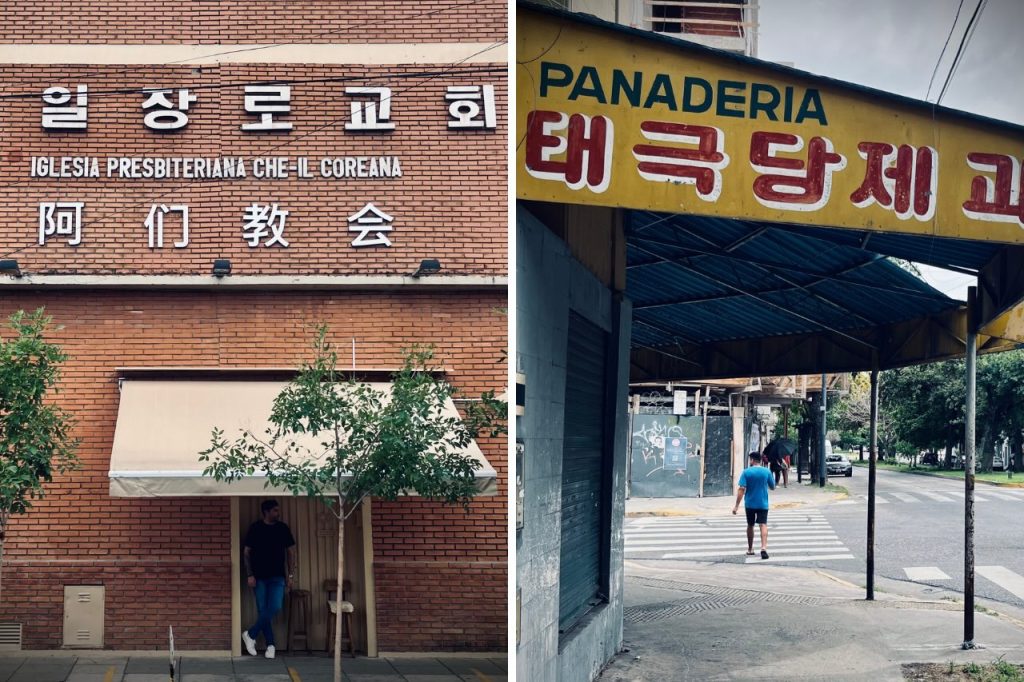
You may hear it referred to as “Barrio Coreano viejo” which means old Koreatown — a name it lives up to. Walking down the main strip you’ll see more closed storefronts than open ones, with faded signs and chipped paint. There are few people and even less traffic — a tumbleweed blowing in the distance wouldn’t be out of place. That being said, a couple of locales are good enough to make the cab fare worthwhile, in particular the well-known restaurant Una Canción Coreana.
The area is also home to the more traditional eateries, as well as the community’s churches and a Korean institute. Many of the residents are older generations who have lived there all their lives.
Where to eat
Una Canción Coreana (Av. Carabobo 1549): There’s a reason this is one of the top names that comes up whenever anyone mentions Korean food in Buenos Aires, and the packed dining room backs that up.
When the eatery first opened twelve years ago, they served a mainly Korean clientele, Esteban Ho, who manages the restaurant that his family owns, told the Herald. Ho and his uncle are the duo who make up “El Tío y el Sobrino,” an Argentine TV show that blends culinary exploration with cultural tourism.
Over time the locale peaked the interest of Argentines, who now make up about 70 percent of their customer base. Since Argentines began to fill the restaurant, Koreans would see the line outside and go eat somewhere else, Ho laughed.
“Argentines are the best waiters. They’ll wait outside in the hot sun for an hour. Koreans won’t even wait five minutes,” he said. Thankfully, he added, the diners tend to eat in shifts due to their difference in meal times.
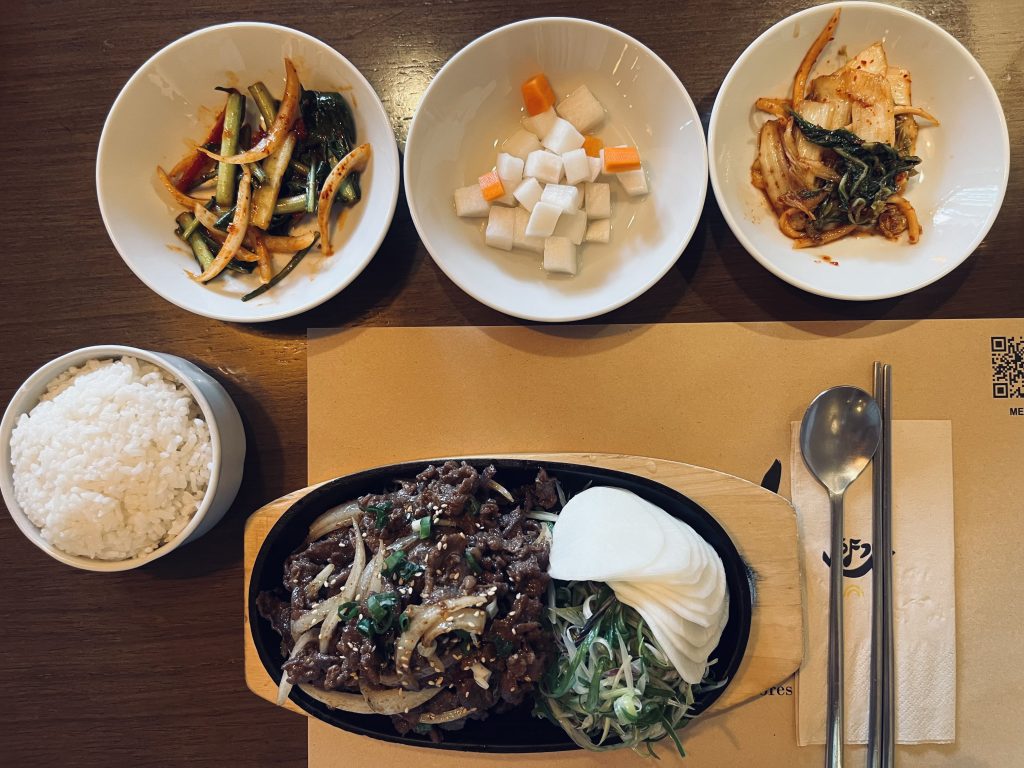
His favorite plate on the menu is bossam, a spicy dish of boiled pork, bok choy and turnip. “The favorite of the Argentines is, of course, meat,” he added. Bulgogi is a locals’ top pick — the beef is marinated in soy sauce which gives it a sweet and savory flavor.
Spicy food lovers will revel in the menu, which includes chili signs next to each dish to signal the heat rankings.
Repostería Coreana Manna (Av. Carabobo 1590): This pastry shop is cram-packed with every possible Korean delicacy you can imagine, from black bean ice cream to a chapsal donut — fried rice dough filled with adzuki bean.
Each of the goods impeccably decorated, the full shelves will entice you to try something you didn’t know existed five minutes earlier, and definitely can’t pronounce. Mammos anyone? It’s a bread filled with adzuki bean, and layered with buttercream and peanut crunch.
KU:L (Av. Carabobo 1107): This laid-back cantina is a recommendation from Lee, and the perfect spot to grab a quick wine, beer or soju. Good food, spicy options, and affordable prices — it belongs on your itinerary.
Han Guk Kwan (Saraza 2135): Run by a traditional Korean grandmother, expect very classic cuisine. The aesthetic is tidy, if slightly frozen in the 80s, however the main draw to this eatery is its authentic dishes that will save you a trip to Asia.
New Koreatown
Sprawling across several blocks in Floresta and Flores, the new Korean neighborhood is much more active and vibrant. The zone is more securely located than the old town, and it has bustling streets and lively storefronts. It’s harder to define where Koreatown starts and stops in this neighborhood, as the Korean shops are integrated among other businesses.
This is a good spot for adventurous eaters to get lost in (within reason), and to wander through the streets without a plan, trying different flavors of boba tea and shrimp chips.
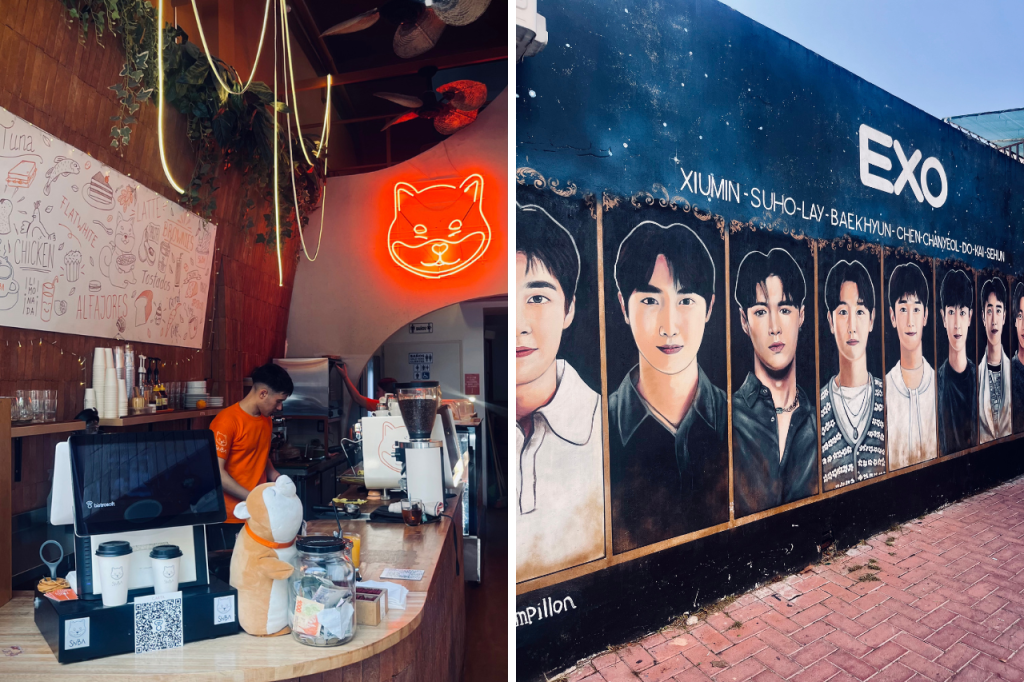
Begin your trek in the alley of Ruperto Godoy, just off Páez, in between the streets of Helguera and Cuenca. The walls are covered in hanging vines and bright murals — paintings of colorful butterflies and Asian boy bands. Cafes and restaurants spill out on both sides, offering everything from fried chicken to Korean pastries.
It’s hard to go wrong — even in the most hole-in-the-wall spots, chances are you’ll get a good meal.
Where to go
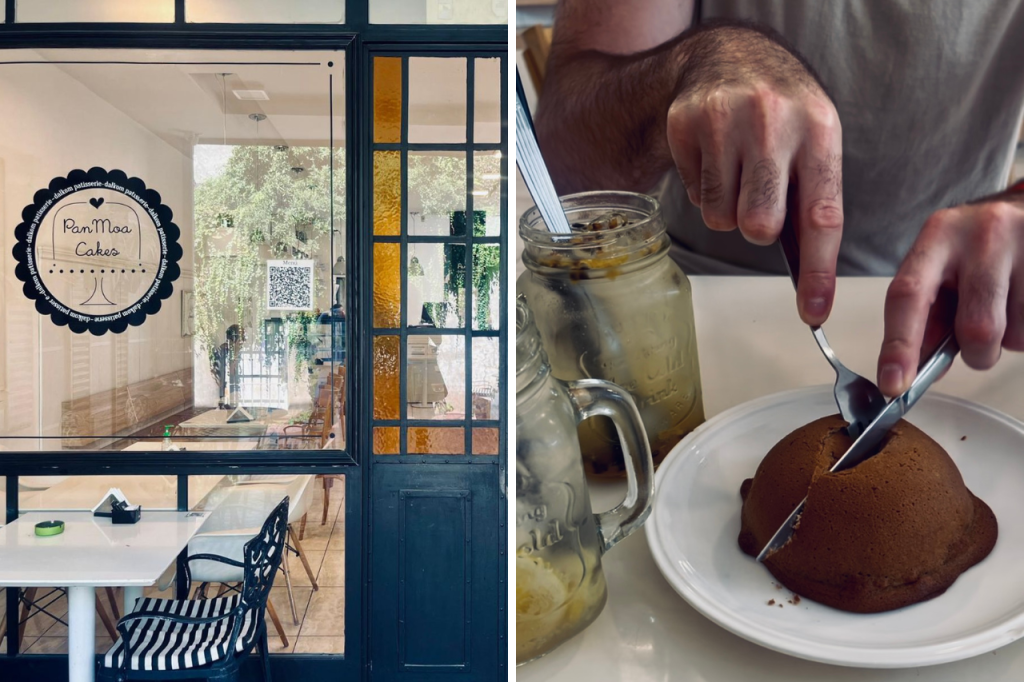
Pan Moa (Ruperto Godoy 763) This cafe serves Korean delicacies with a French influence. Owner Soyoung Chang combines traditional French pastries with bolder Korean creations, such as aduki bean bread, sweet potato brioche, or matcha and white chocolate cookies.
Maum (Felipe Vallese 3135) They’re well-known for kimbab, a Korean-style rice roll that’s very similar to Japanese sushi — the rice is seasoned with salt and sesame oil, and typically filled with cooked meat. Crowd-pleasers include their bulgogi kimbab, the spicy odeng kimbab, their homemade udon noodle soups, and, of course, kimchi.
Dashimaki (Ruperto Godoy 770) This Asian eatery specializes in sushi, however the pho, a traditional soup from Vietnamese cuisine, is worth ordering as well. Head here on a sunny day, their outdoor tables in the alleyway are the perfect good-weather patio.
Last but not least: karaoke!
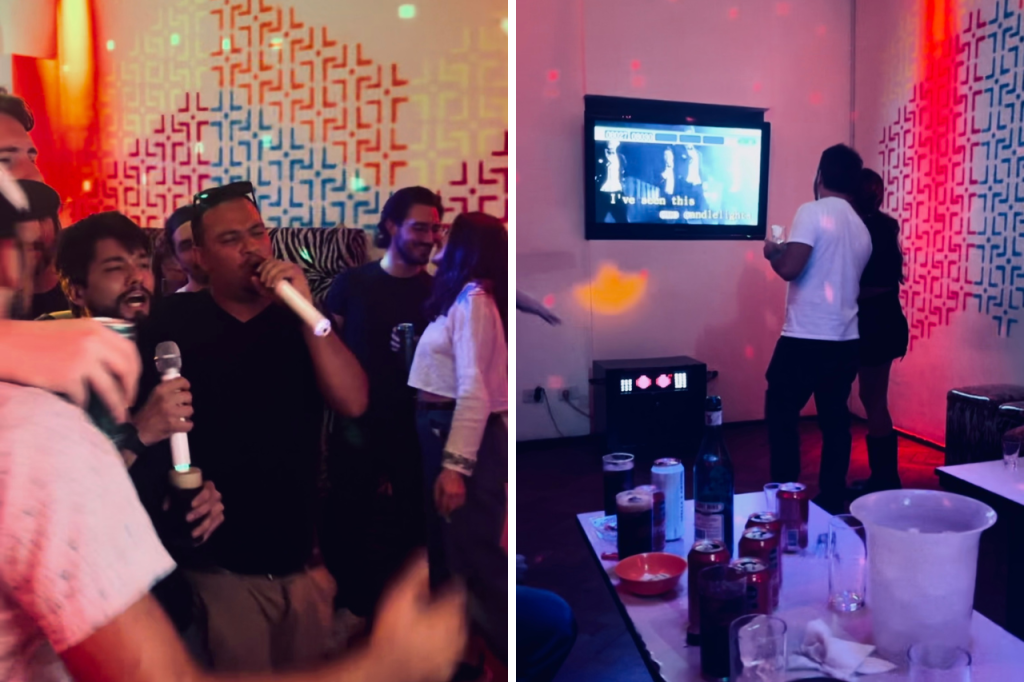
You can’t have an article about Koreatown without mentioning Korean karaoke. Rent out a private room with friends and spend the evening serenading one other (or just yelling progressively louder as the night goes on).
W Karaoke (Ruperto Godoy 761) is located right in the heart of the new Koreatown. MP Norebang (Av. Rivadavia 6362) is another Korean karaoke venue worth checking out — while it’s not located in Koreatown, it’s close by.
The rooms come equipped with more song choices than is probably healthy, microphones for belting, and a large screen that plays music videos with lyrics. There’s a wide selection of both K-pop and global pop hits to choose from. Expect room service for food and drinks, so you don’t have to miss a single note.
